

A home does not need elaborate features to feel welcoming, as visual simplicity often creates a stronger sense of comfort and balance. Clean lines, uncluttered layouts, consistent materials, and thoughtful use of color can reduce visual distractions while making spaces feel more open and relaxing. Discussions about healthy living environments, including those featured at https://hausbauhelden.de/news/gesundes-raumklima-von-grund-auf-die-baustoff-entscheidung-fuer-ihr-traumhaus/, highlight how design choices can influence both the appearance and everyday experience of a home. Rather than focusing on excess, simple interiors emphasize functionality and harmony. Exploring this approach reveals why visual simplicity continues to play an important role in creating comfortable and enduring residential spaces.
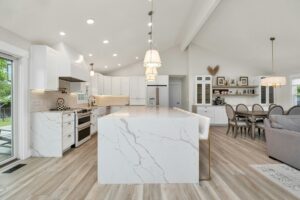
How Visual Organization Shapes Perception
People naturally respond to environments that are easy to interpret. When the arrangement of furniture, architectural features, and decorative elements follows a clear visual order, the room can feel more balanced and harmonious. Repeated shapes, consistent proportions, and coordinated materials help reduce visual distraction and create a stronger sense of continuity. This does not require identical design elements, but rather thoughtful relationships between them. A well-organized space can therefore feel more comfortable because the eye moves naturally through the room without unnecessary interruption.
The Relationship Between Simplicity and Spaciousness
Visual simplicity can also influence how spacious a home appears. Rooms with coordinated finishes, unobstructed sightlines, and carefully arranged furnishings often create a stronger sense of openness than spaces filled with competing visual elements. The physical dimensions of the room remain unchanged, yet its appearance can feel larger because attention is not constantly drawn to numerous contrasting details. This demonstrates that perceived space depends not only on floor area but also on how clearly the interior is visually composed.
Why Consistent Materials Create Balance
The selection and placement of materials contribute significantly to the overall character of a home. When flooring, wall finishes, cabinetry, and other surfaces relate to one another through color, texture, or proportion, the interior develops a more unified appearance. Consistency does not mean using the same material everywhere, but ensuring that different finishes complement rather than compete with one another. This visual continuity helps connect separate rooms and creates a smoother transition throughout the home, strengthening the overall sense of comfort.
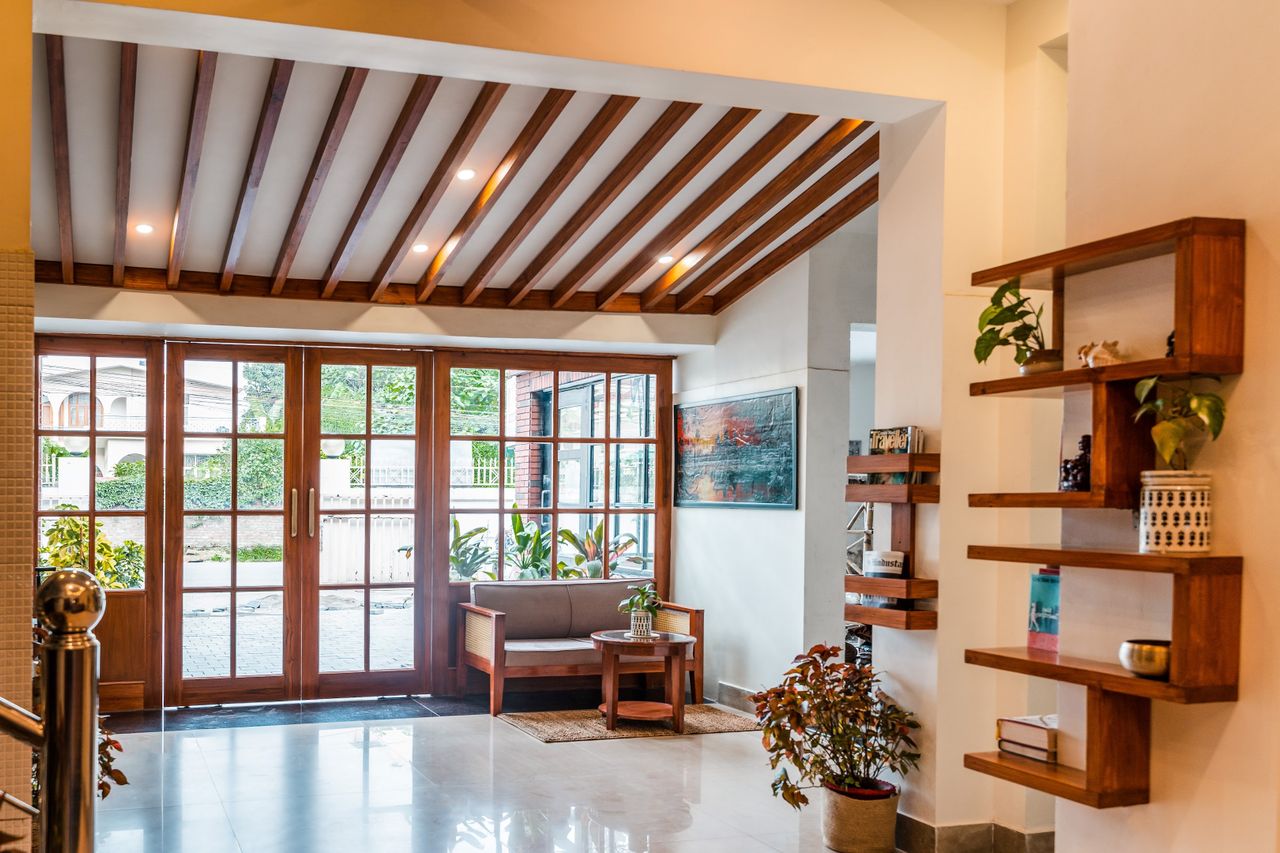
How Simplicity Supports Everyday Living
A visually simple home can make everyday activities feel more relaxed because the environment appears orderly and easy to use. Clear circulation paths, well-integrated storage, and thoughtfully positioned furniture reduce unnecessary visual complexity while supporting practical movement. As homes increasingly serve multiple purposes, including work, study, recreation, and relaxation, simple visual organization can help different activities coexist without making spaces feel crowded. The result is an environment where functionality and appearance support one another rather than competing for attention.
Visual simplicity can make homes feel more comfortable by creating environments that are organized, balanced, and easy to experience. Thoughtful relationships between materials, furniture, proportions, and circulation allow spaces to feel calm without sacrificing functionality or character. Rather than relying on minimal decoration, visual simplicity focuses on clarity and harmony throughout the home. As residential design continues to evolve, this approach remains valuable because it supports both practical living and a comfortable atmosphere that can adapt to changing needs over time.